

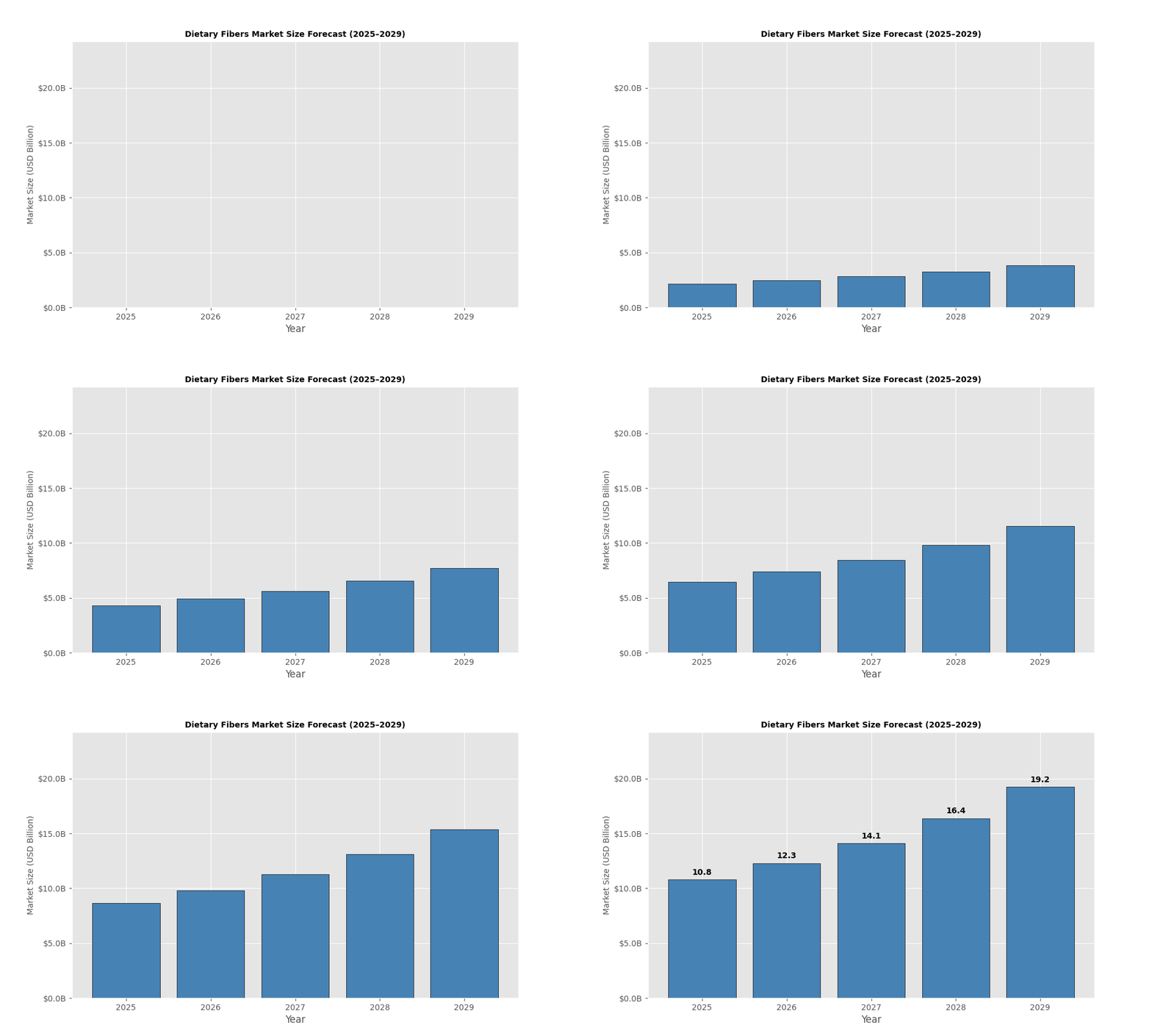
A new market analysis projects the Global Dietary Fibers Market will grow from US $7.49 billion in 2021 to approximately US $19.25 billion by 2029, expanding at a compound annual growth rate (CAGR) of 12.53% during the forecast period. This substantial growth highlights an accelerated shift toward healthier eating habits worldwide.
Global Dietary Fibers Market Estimation & Definition
Definition:
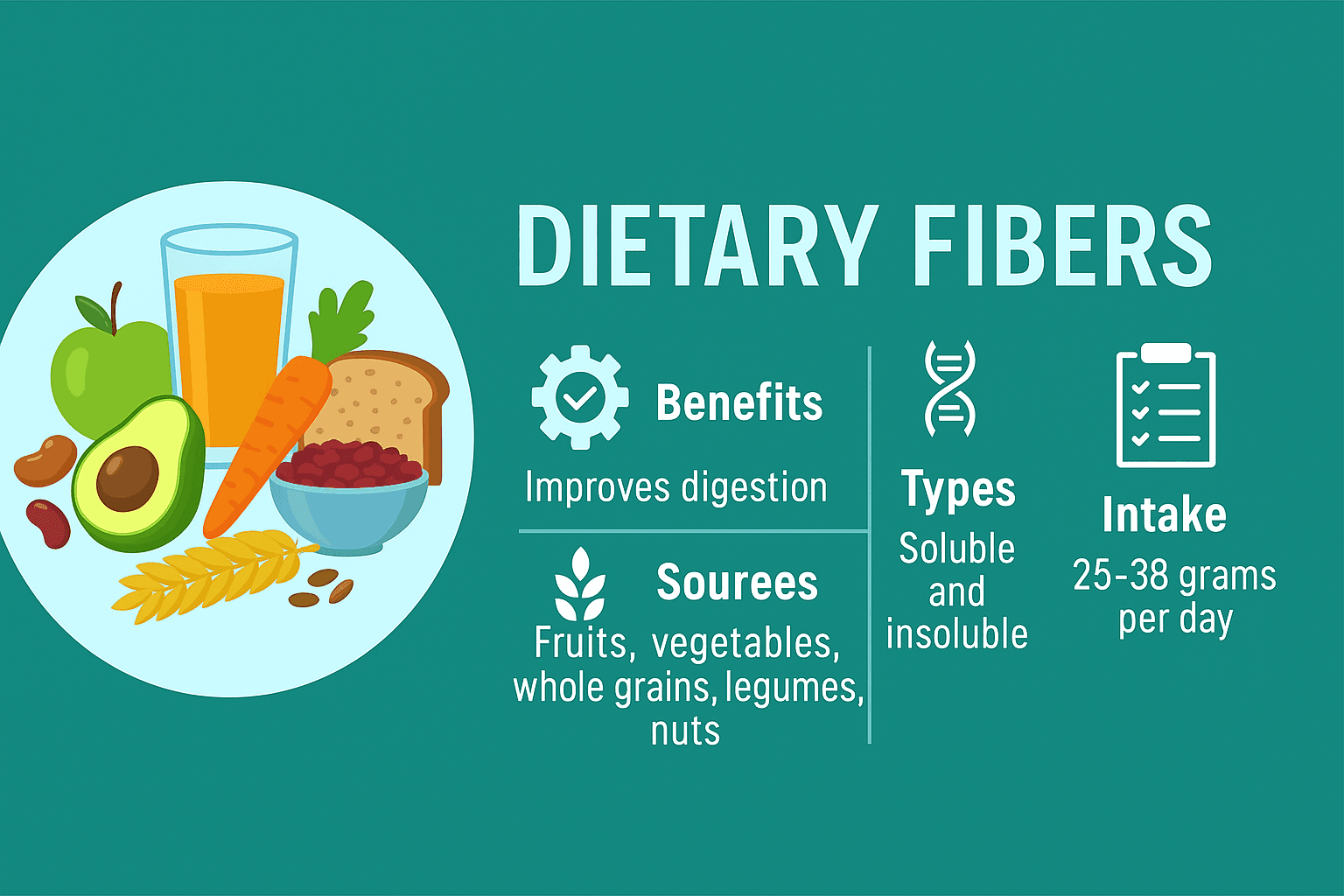
Dietary fibers are indigestible plant-based carbohydrates—either soluble or insoluble—that deliver a range of health benefits such as improved digestion, regulated blood sugar levels, and reduced risk of cardiovascular diseases, diabetes, and certain cancers.
Market Size & Forecast:
2021 Base Value: US $7.49 billion
2029 Forecast Value: ~US $19.25 billion
Growth Rate: CAGR of 12.53% between 2022 and 2029
Historical Period: 2017–2021
Forecast Period: 2022–2029
The strong forecast reflects surging demand across functional foods, pharmaceutical supplements, and nutraceuticals.
Global Dietary Fibers Market Growth Drivers & Opportunities
Rising Health Consciousness
A growing global population suffering from chronic diseases like obesity, diabetes, and heart conditions is turning to preventive nutrition. Consumers are increasingly choosing fiber-enriched foods to support digestive health and long-term wellness.
Functional Food Innovation
The boom in health-centric snacks, functional beverages, and fortified bakery products is driving demand for dietary fiber inclusion. Market leaders are integrating both soluble and insoluble fibers to enhance product value.
Government Nutrition Policies
Nutritional labeling regulations and public health initiatives are compelling food producers to reformulate products with higher fiber content. This is particularly evident in regions with progressive food safety laws.
Expanding Fitness & Wellness Culture
The rising number of fitness-conscious consumers, especially in Asia-Pacific, is creating demand for high-fiber supplements and natural food products that support weight management and gastrointestinal health.
Product Innovation and Applications
Manufacturers are expanding the use of fibers in various applications including meat substitutes, dairy alternatives, pet food, and dietary supplements—opening up vast new markets and growth pathways.
Global Dietary Fibers Market Segmentation Analysis
The dietary fibers market is segmented based on type, source, and application.
By Type:
Soluble Dietary Fibers: These dissolve in water and help lower blood cholesterol and glucose levels. Examples include pectin, inulin, and beta-glucans.
Insoluble Dietary Fibers: These do not dissolve in water and promote bowel health and regularity. Examples include cellulose, lignin, and hemicellulose.
By Source:
Cereals & Grains
Legumes
Fruits & Vegetables
Nuts & Seeds
Fruits and legumes are expected to gain momentum due to rising demand for natural and organic food sources.
By Application:
Functional Food & Beverages (largest segment)
Pharmaceuticals & Nutraceuticals
Animal Feed
Others (e.g., Personal Care Products)
The functional food segment dominates due to the growing inclusion of fibers in ready-to-eat products, sports nutrition, and on-the-go meals.
To View Full Report : https://www.maximizemarketresearch.com/market-report/dietary-fibers-market/656/
Global Dietary Fibers Market Country-Level Analysis
United States (USA):
North America represents the largest regional share in the dietary fibers market, with the US being the major contributor. Key drivers include:
High awareness of gut health and functional foods
Increased adoption of fortified foods and beverages
Strong presence of health-conscious consumers and fitness lifestyles
Active innovation from US-based manufacturers integrating fiber into diverse food formats
Additionally, advanced retail infrastructure and e-commerce are facilitating easy access to dietary fiber-enriched products, expanding market reach.
Germany:
Germany stands out in the European market due to:
Widespread consumer education on natural nutrition
Supportive regulations on clean labeling and functional ingredients
Growing demand for plant-based and organic food alternatives
High market penetration of fortified bakery and breakfast products
Germany also benefits from partnerships between food tech startups and established players aiming to introduce customized fiber blends tailored to local preferences.
Global Dietary Fibers Market Commutator (Competitive) Analysis
Dietary Fibers Market, Key Players:
• Cargill
• E. I. du Pont de Nemours and Company
• Ingredion Incorporated
• Kerry Group plc
• Tate & Lyle PLC
• Sudzucker AG
• Nexira SAS
• Roquette Freres S.A.
• Grain Processing Corporation
• Lonza Group AG
• BENEO
• ADM
• Emsland Group
• Puris
• The Green Labs LLC
These companies are focused on strategies like mergers and acquisitions, product innovation, sustainable sourcing, and geographic expansion.
Global Dietary Fibers Market Porter’s Five Forces Analysis:
Threat of New Entrants: Moderate; due to regulatory hurdles and the need for R&D investments
Bargaining Power of Suppliers: Low to moderate; large buyers can influence raw material pricing
Bargaining Power of Buyers: High; growing demand leads to greater price sensitivity
Threat of Substitutes: Moderate; alternative nutrition options like synthetic fibers or protein-rich diets could disrupt fiber demand
Industry Rivalry: High; with many global players competing on quality, cost, and innovation
SWOT Overview:
Strengths: Diverse applications, strong consumer awareness, established players
Weaknesses: Regulatory challenges, supply chain complexities
Opportunities: Rising demand for clean-label, organic, and plant-based products
Threats: Price volatility of raw materials, risk of substitutes
Global Dietary Fibers Market Conclusion
The Global Dietary Fibers Market is well-positioned for dynamic growth, underpinned by increased consumer awareness, shifting dietary trends, and government support for healthier food standards. With projections indicating a near tripling of market size by 2029, industry players have a lucrative window to invest in product innovation, strategic collaborations, and regional expansion.
Key growth opportunities lie in tapping emerging markets like India, China, and Latin America where wellness trends are accelerating. Meanwhile, North America and Europe will continue to be hubs for premium fiber innovation, functional product launches, and sustainable sourcing.
As the market shifts from traditional applications to a broader wellness ecosystem—spanning personal health, sports nutrition, and even pet food—companies that respond with agility and innovation will lead the next decade of growth.
Read More On The Report:
https://fmcgpresswire.com/starch-derivatives-market-to-hit-usd-103-57-billion/

